

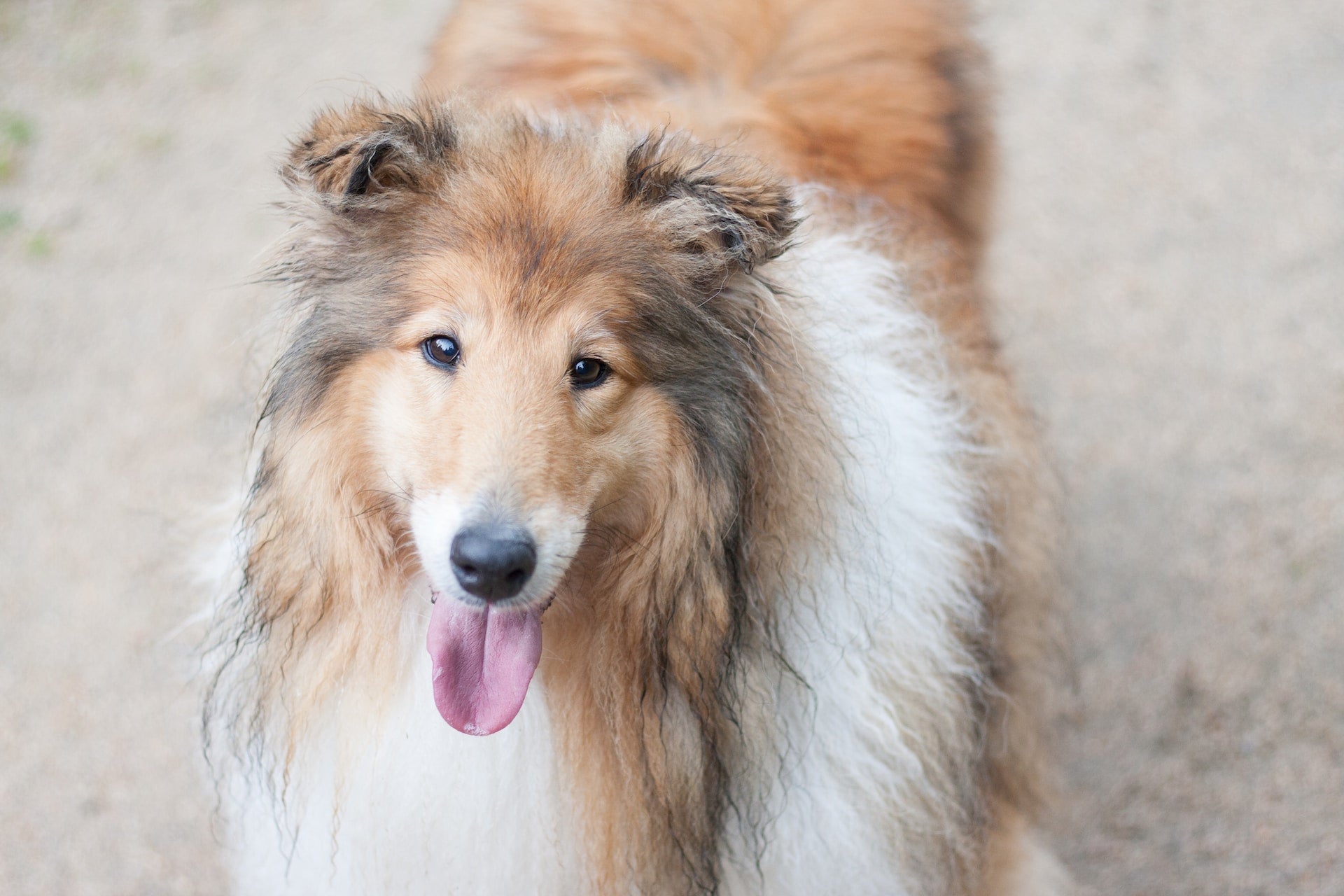
The Shetland Sheepdog, also known as the Sheltie, is an intelligent dog with very good motor skills. For many years it has been referred to as the farmer's best friend, and it is a suitable family dog. In addition, the breed excels in dog sports. Read more about the Sheltie and what you can expect as a Shetland Sheepdog owner!
Quick facts

Family friendly

Activity level

Fur care
Training needs
Clearing

Size
Facts about the breed
Originally, the Shetland Sheepdog was a herding dog used on the rugged Shetland Islands. The local crofters, who relied on fishing and sheep farming, needed a small and robust dog to protect their valuable vegetable gardens. These tough dogs had to withstand long and cold winters, and therefore also needed a coat that could protect against the elements. The Shetland Sheepdog was then bred by crossing larger dog breeds, such as the Border Collie, with smaller dogs.
Historical pictures and drawings show a small dog with long and protective fur and a somewhat shorter and broader body than today's Shetland Sheepdog. It wasn't until 1906 that the first breed club was founded in Shetland, and in 1914, the breed was finally recognized by The Kennel Club.
What can you expect as an owner of a Shetland Sheepdog?
Personality
Personality
The Shetland Sheepdog is a dog with a special character, which makes the breed lovable and easy to like. They are affectionate and loyal companions and fit well into families, especially those with children. They can be a little reserved around strangers, which is a natural trait for this breed, as they are protective by nature. As an excellent guard dog, they will quickly alert you with a bark if they detect any intruders. But don't worry, with proper training, they can learn to be quiet, so you don't annoy your neighbors! However, if you don't like a dog that "talks", you should choose another breed. The Sheltie tends to communicate by barking and expresses itself verbally in various ways.
Activity level
Activity level
Shetland Sheepdogs are often described as a lively, fast, intelligent, dutiful, and dedicated breed. This means you get a fairly active dog that enjoys moving around. The Sheltie is therefore an excellent dog for outdoor enthusiasts and families who like to stay active.
Training
Training
The Sheltie is also known for its speed and agility skills, which make it an excellent competition dog. In competitions, the breed often dominates its size class, especially in agility tasks. The Shetland Sheepdog is easy to train, but for maximum benefit, you should make sure to keep training sessions short and interesting.
Health
Health
Weight and Size
On average, a Shetland Sheepdog weighs between 6 and 7 kg, but the size varies somewhat. Males are usually between 35 and 38 cm, while females are between 33 and 37 cm.
Lifespan
The average lifespan of a Shetland Sheepdog is 12 to 13 years.
Hereditary Diseases
The Sheltie is generally a healthy breed with few diseases to worry about. Nevertheless, there are some genetic diseases you should be aware of, especially related to the eyes. For example: collie eye anomaly (CEA), progressive retinal atrophy (PRA), retinopathy, and cataracts.
In addition, Shetland Sheepdogs can be susceptible to misplaced teeth, hip dysplasia, and MDR1, also known as Multidrug resistance.
It is important to note that it is not recommended to breed two merle dogs, as this can lead to blindness, deafness, and other serious diseases in the puppies.
Fur
Fur
The Shetland Sheepdog breed has a beautiful coat with a short, dense undercoat and a long, straight outer coat. The coat should be brushed carefully and thoroughly a couple of times a week, especially during shedding season. If the coat gets tangled, you can easily moisten it with a little water before brushing it out. Pay attention to areas such as behind the ears, the hind legs, and the tail, as these areas often have coarser fur and may need extra attention. Even the fur around and under the paws should be trimmed and cared for regularly with scissors. If you bathe your dog, it is important to dry it thoroughly down to the skin, partly to avoid hot spots.
Food and nutrition
Food and nutrition
How much food a Shetland Sheepdog needs depends on the dog's size, age, metabolism, and activity level. It's important to ensure your furry friend is in good shape by measuring out the correct amount of food and choosing high-quality dog food. If you're unsure how much food your dog needs, you can always ask your vet for help and guidance. We also offer a free consultation with our veterinarians at A-Vet, so you can find the perfect diet for your four-legged friend!
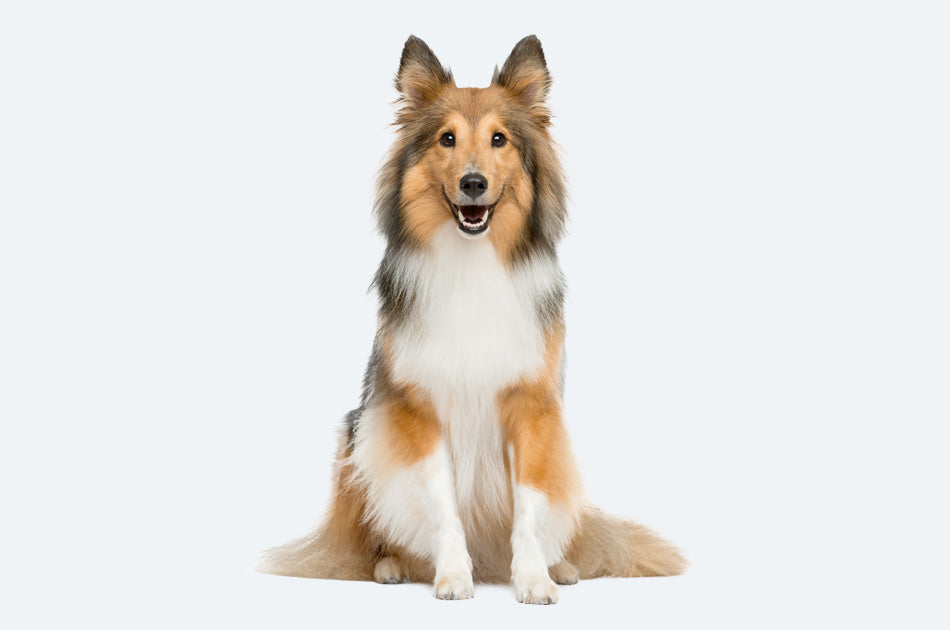
Shetland Sheepdog
Does the Shetland Sheepdog sound like the right breed for you? Then we recommend contacting the breed club Norsk Shetland Sheepdog Klubb. Remember to choose a seller who provides information on how the dog was bred, to ensure that you are not contributing to uncontrolled or illegal dog trade. Unfortunately, not everyone breeds responsibly and correctly, which can lead to serious diseases in the puppies. Being well-prepared and finding a reliable breeder is therefore the best for both you and the dog!
Anbefalt neste steg
Nyttig til hunden du vurderer
Når du har funnet en rase som passer livsstilen din, er neste steg å se på fôr, utstyr og hverdagsprodukter som gjør hundelivet enklere.